How to reduce window replacement cost: A comprehensive financial and operational framework
Residential capital improvements frequently present property owners with severe financial friction. Upgrading fenestration systems ranks among the most capital-intensive exterior renovations a homeowner can undertake. How to reduce window replacement cost. Material inflation, specialized labor scarcity, and complex structural requirements combine to drive project invoices upward. Navigating this economic pressure demands more than superficial discount hunting. It requires a systematic approach to budgeting, material specification, and contracting execution.
Approaching building envelope upgrades without a coherent strategy often leads to inflated budgets and compromised results. Property owners frequently react to rising contractor estimates by selecting inferior materials or cutting corners on critical installation details. This short-sighted reaction stores up trouble for future years through premature frame failure, air leakage, and water infiltration. True financial optimization balances upfront expenditure against long-term operational savings and structural durability.
This reference guide provides an exhaustive framework for managing fenestration expenditures. It examines procurement channels, labor dynamics, installation methodologies, and regional cost drivers. Readers will discover actionable insights designed to lower project overhead without sacrificing structural integrity, thermal performance, or architectural coherence.
Understanding how to reduce window replacement cost
The phrase how to reduce window replacement cost is frequently misinterpreted as a search for cheap products or unreliable labor. Many consumers assume that savings stem exclusively from buying discount vinyl frames or hiring unlicenced contractors. Financial experts and construction specialists view the problem through a broader economic lens. True cost reduction involves eliminating inefficiencies across the entire project lifecycle, from initial measurement and procurement to installation and long-term energy payback.
A primary driver of budget inflation is improper project scope definition. Property owners often replace full frames when pocket installations would suffice, or they specify custom architectural shapes where standard dimensions would perform identically. Furthermore, failing to coordinate multiple contractors or purchasing materials outside optimal seasonal windows introduces unnecessary markups.
Oversimplifying financial choices in home renovation routinely triggers hidden expenses. Choosing the lowest initial bid frequently results in poor flashing installation, water damage, and costly callbacks. True optimization targets waste reduction, leverages volume purchasing, and times labor procurement strategically to align with market fluctuations.
Deep Contextual Background
The residential window market has evolved through distinct manufacturing and distribution phases over the past half-century. Historically, windows were custom-built by local millwork shops using dense old-growth timber. Installation required skilled carpenters who fitted each sash individually into rough openings. While these assemblies possessed exceptional longevity, labor costs were high, making window replacement a major luxury expenditure.
The late twentieth century introduced mass-produced extrusion lines, vinyl framing, and standardized rough openings. This industrial shift reduced manufacturing expenses significantly and created a consumer culture centered around complete unit replacement. Contractors gravitated toward turnkey replacement models because standardized products minimized on-site labor time and simplified installation procedures.
Recent economic pressures, including supply chain volatility and skilled labor shortages, have altered cost dynamics once again. Commodity prices for aluminum, vinyl resins, and glass panes fluctuate wildly. Consequently, managing project expenditures requires understanding how manufacturing distribution channels, regional labor rates, and building code mandates interact to shape final retail pricing.
Conceptual Frameworks and Mental Models
The Total Cost of Ownership Model
This mental model evaluates expenses across a thirty-year horizon. It weighs initial purchase and installation pricing against future utility savings, maintenance requirements, and replacement frequency. Spending slightly more on durable materials often lowers long-term lifecycle costs.
The Scope Minimization Hierarchy
This model dictates that project interventions should remain as localized as possible. Pocket installations cost substantially less than full-frame tear-outs. Preserving functional exterior trim and siding avoids secondary trades and keeps labor allocations minimal.
The Supply Chain Timing Matrix
Construction material pricing follows predictable seasonal and cyclical patterns. Purchasing during off-peak manufacturing windows or procuring standard stock items directly from regional distributors bypasses retail showroom markups and reduces project overhead.
Key Categories and Material Trade-Offs
Executing budget-conscious renovations requires selecting appropriate installation methods and material classes. Each category presents unique financial and structural trade-offs.
Pocket Installation (Insert Replacement)
-
Characteristics: Inserting a new window unit directly into the existing, structurally sound exterior frame without disturbing siding or interior trim.
-
Trade-offs: Minimizes labor hours and eliminates finish carpentry expenses. Reduces glass viewing area slightly and depends entirely on the integrity of the original frame.
Full-Frame Replacement
-
Characteristics: Removing the entire window assembly down to the rough structural studs, including sills, jambs, and exterior casing.
-
Trade-offs: Allows comprehensive insulation and flashing upgrades. Involves extensive labor, siding repairs, and interior drywall patching.
Vinyl Framing Materials
-
Characteristics: Extruded rigid polyvinyl chloride profiles reinforced internally with steel or aluminum channels.
-
Trade-offs: Lowest initial material cost and minimal maintenance requirements. Limited color flexibility and potential thermal warping under extreme heat exposure.
Fiberglass Framing Materials
-
Characteristics: Pultruded glass-fiber reinforced polymer profiles offering high structural strength and thermal stability.
-
Trade-offs: Exceptional durability and thermal performance matching glass expansion rates. Higher initial material cost compared to standard vinyl.
Clad-Wood Framing Materials
-
Characteristics: Natural interior wood surfaces protected by extruded aluminum or composite exterior claddings.
-
Trade-offs: Premium aesthetic appeal and robust weather protection. Significantly higher price point and complex installation requirements.
Aluminum Framing Materials
-
Characteristics: Lightweight metal extrusions designed for commercial or modern residential applications.
-
Trade-offs: Highly durable in specific architectural contexts. Conducts thermal energy rapidly unless thermally broken, driving up heating and cooling expenses.
Bulk Procurement Strategies
-
Characteristics: Purchasing an entire home window package simultaneously rather than replacing units in piecemeal phases.
-
Trade-offs: Secures volume discounts from manufacturers and locks in contractor mobilization fees. Requires substantial upfront capital outlay.
Standardized Dimension Sizing
-
Characteristics: Designing rough openings around standard manufacturing dimensions rather than ordering custom architectural shapes.
-
Trade-offs: Eliminates custom tooling charges and reduces lead times drastically. Imposes minor design constraints on architectural layouts.
| Category | Initial Material Cost | Labor Complexity | Thermal Efficiency | Expected Lifespan |
| Pocket Vinyl | Low | Low | Moderate to High | 20 – 30 Years |
| Full-Frame Vinyl | Moderate | High | Moderate to High | 20 – 30 Years |
| Pocket Fiberglass | Moderate | Low | High | 30 – 50 Years |
| Full-Frame Fiberglass | High | High | High | 30 – 50 Years |
| Clad-Wood Units | High | High | High | 30 – 40 Years |
| Standardized Stock | Low | Low | Variable | Dependent on Material |
Decision Logic for Cost Optimization
Property owners should inspect existing framing thoroughly before selecting a category. If structural wood shows zero signs of rot and frame squareness remains intact, pocket installations represent the most efficient way to reduce overall project expenses. If frames exhibit moisture damage, structural settling, or severe drafts, investing in full-frame replacement prevents compounding failures. Standardizing opening sizes during new construction or major remodels further prevents custom fabrication premiums.
Detailed Real-World Scenarios How to reduce window replacement cost
Scenario A: Suburban Split-Level Home Upgrade
-
Constraints: Thirty aging aluminum-framed windows requiring simultaneous replacement on a fixed household renovation budget.
-
Decision Points: Selecting pocket vinyl inserts versus custom full-frame wood units.
-
Failure Modes: Hiring an unvetted discount contractor who skips proper flashing installation to save time, resulting in hidden water leaks.
-
Second-Order Effects: Choosing standardized pocket vinyl units installed by a certified regional crew minimizes labor costs while keeping total expenditures within the target financial threshold.
Scenario B: Urban Historic District Renovation
-
Constraints: Strict municipal preservation rules requiring wood appearance while operating under strict financial limits.
-
Decision Points: Custom historic millwork replicas versus interior storm window retrofits combined with sash repair.
-
Failure Modes: Ordering unauthorized modern vinyl replacements, triggering municipal fines and mandatory removal orders.
-
Second-Order Effects: Restoring existing wooden sashes and adding high-performance interior storm panels achieves thermal goals at a fraction of custom millwork replacement costs.
Scenario C: Coastal Property Facing Salt Corrosion
-
Constraints: Aggressive marine environments destroying standard hardware and metal components prematurely.
-
Decision Points: Selecting cheap vinyl that degrades under UV exposure versus investing in high-grade fiberglass.
-
Failure Modes: Opting for low-cost residential vinyl without marine-grade stainless steel fasteners, leading to rapid hardware seizure.
-
Second-Order Effects: Specifying pultruded fiberglass frames with premium marine hardware increases initial outlay but eliminates replacement cycles over a fifteen-year horizon.
Scenario D: Multi-Unit Rental Property Portfolio
-
Constraints: Minimizing vacancy downtime and maintenance overhead across multiple residential rental doors.
-
Decision Points: Phased individual replacements versus wholesale contractor bidding for bulk unit packages.
-
Failure Modes: Piecemeal replacements causing fragmented maintenance records and escalating contractor mobilization fees.
-
Second-Order Effects: Negotiating a bulk supply contract with a regional distributor reduces per-unit material costs and streamlines future property maintenance operations.
Planning, Cost, and Resource Dynamics
Financial planning for fenestration projects requires analyzing both direct and indirect expenditure streams. Direct costs encompass unit manufacturing, delivery logistics, framing materials, and direct labor charges. Indirect costs involve disposal fees for old glass and frames, scaffolding rental for multi-story access, interior drywall repair, and permit acquisition. Opportunity costs emerge when poor project management extends construction timelines, disrupting daily routines or rental income streams.
Budget variability stems primarily from labor market conditions and unforeseen structural damage. Discovering rotted headers or compromised wall sheathing after removing old casings introduces unexpected expenses. Establishing a dedicated contingency fund protects project stability.
| Expense Category | Average Cost Range | Primary Cost Drivers |
| Pocket Window Installation (Per Unit) | $450 – $900 | Unit quality, glass package, local labor rates |
| Full-Frame Replacement (Per Unit) | $900 – $2,500+ | Structural framing repairs, siding integration, trim work |
| Disposal and Permit Fees (Project Total) | $200 – $1,000 | Local municipal requirements, volume of waste |
| Contingency Allocation | 15% – 25% of Base Bid | Hidden rot, supply chain delays, drywall repairs |
Tools, Strategies, and Support Systems
Executing budget-friendly projects requires specialized tools, digital resources, and reliable professional networks. Relying on guesswork during measurement or material selection leads to costly fabrication errors.
Specialized Procurement and Measurement Tools
-
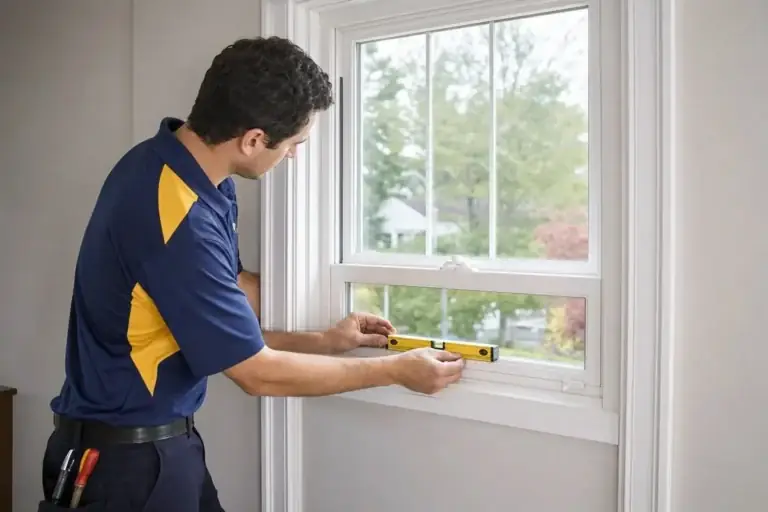
Digital Laser Distance Meters: Ensures precise rough opening measurements, preventing custom re-ordering fees.
-
Contractor Bidding Platforms: Aggregates competitive quotes from local installers to establish fair market labor rates.
-
Energy Tax Credit Calculators: Identifies federal, state, and utility tax incentives that offset initial project investments.
-
Manufacturer Direct Ordering Portals: Allows homeowners or independent builders to bypass retail showroom intermediaries.
Professional Support Systems
-
Regional Building Material Cooperatives: Provide volume purchasing power for independent property owners.
-
Certified Installation Guilds: Offer reliable workmanship warranties that protect against future repair expenses.
-
Energy Efficiency Auditors: Conduct thermal imaging to pinpoint which specific windows actually require replacement versus those eligible for simple repair.
Risk Landscape and Failure Modes
Attempting to minimize expenditures through improper shortcuts introduces severe structural and financial risks. Understanding these failure modes prevents catastrophic outcomes.
Improper Flashing and Water Infiltration
Skipping proper head flashing and weather-resistive barrier integration to save installation time allows rainwater to penetrate wall cavities. Over time, trapped moisture rots framing studs and fosters hidden mold growth.
Substandard Material Selection
Purchasing unbranded, low-grade vinyl windows lacking internal reinforcement causes frames to sag under wind loads. Warped sashes fail to latch properly, eliminating energy efficiency benefits and forcing premature secondary replacement.
Unlicensed Contractor Default
Hiring uninsured or unvetted labor to secure the lowest upfront bid carries the risk of job abandonment, property damage, or liability for workplace injuries, wiping out any initial financial savings.
Governance, Maintenance, and Long-Term Adaptation
Financial efficiency extends into the operational lifespan of installed windows. Establishing structured maintenance schedules protects the capital investment.
Monitoring and Review Cycles
Property owners should conduct annual inspections every autumn. Inspectors must check sealant adhesion, operating hardware smoothness, and weather-stripping flexibility.
Operational Adjustment Triggers
-
Trigger 1: Drafts or whistling during high wind events indicate degraded weather-stripping requiring minor gasket replacement rather than full unit substitution.
-
Trigger 2: Sticking sashes caused by seasonal humidity shifts require simple track lubrication rather than structural frame alterations.
-
Trigger 3: Fogging between glass panes signals seal failure in insulated units, often covered under manufacturer warranty.
Long-Term Maintenance Checklist
-
Clean window tracks and weep holes semi-annually to prevent drainage blockages.
-
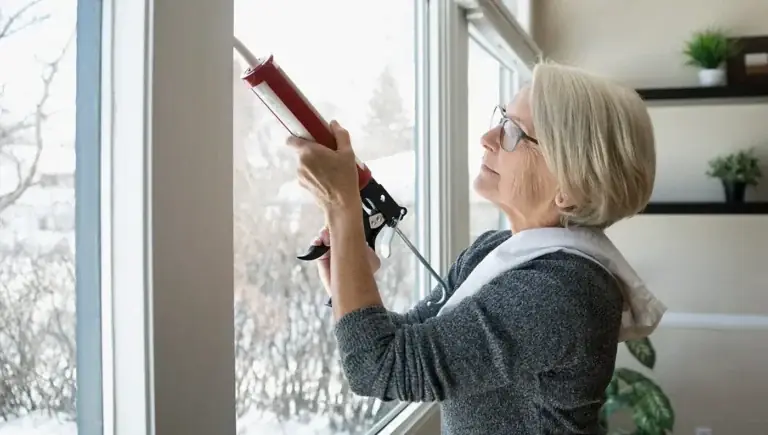
Inspect exterior caulking joints annually and apply fresh polyurethane sealant where cracking appears.
-
Lubricate hinges, tracks, and locking mechanisms yearly with silicone-based spray.
-
Verify that interior humidity levels remain balanced to prevent condensation stress on frames.
Measurement, Tracking, and Evaluation
Assessing whether a cost-reduction strategy succeeded requires tracking both financial metrics and operational performance indicators.
Leading Indicators
-
Securing multiple competitive bids before signing contractor agreements.
-
Utilizing standardized sizing to eliminate custom manufacturing upcharges.
-
Verifying manufacturer warranty coverage and energy star certifications.
Lagging Indicators
-
Measurable reduction in monthly heating and cooling utility bills.
-
Total absence of water leaks or drafts following heavy seasonal storms.
-
Preservation of frame alignment and operating smoothness across annual temperature cycles.
Documentation Examples
-
Maintaining an itemized ledger tracking all material invoices, permit fees, and labor payments.
-
Archiving manufacturer warranty documents and contractor lien waivers in a permanent property file.
-
Recording pre- and post-installation utility consumption data to calculate actual return on investment timelines.
Common Misconceptions and Oversimplifications How to reduce window replacement cost
Myth 1: The Lowest Contractor Bid Is Always the Best Value
The lowest bid often reflects hidden omissions, such as excluding disposal fees, trim work, or proper flashing integration, which surface later as expensive change orders.
Myth 2: Full-Frame Replacement Is Always Required
When existing framing remains structurally sound, pocket installations deliver identical thermal performance at a fraction of the labor and material cost.
Myth 3: DIY Installation Always Saves Money
Without professional carpentry experience, measuring errors, flashing failures, and lack of specialized tools can result in costly damage that exceeds professional installation fees.
Myth 4: All Vinyl Windows Perform Identically
Cheap vinyl extrusions lack structural steel reinforcements, leading to thermal expansion warping, sagging sashes, and premature failure within a few years.
Myth 5: Window Replacements Pay for Themselves Immediately Through Energy Savings
While new windows lower utility bills, the financial payback period for complete replacement typically spans decades, meaning cost reduction must happen upfront through smart procurement.
Myth 6: Standard Sizes Limit Architectural Beauty
Modern modular sizing offers vast design variations that satisfy aesthetic preferences without incurring custom manufacturing premiums.
Ethical, Practical, and Contextual Considerations
Managing renovation expenditures involves balancing financial constraints with resource stewardship. Discarding structurally sound materials contributes directly to landfill overcrowding, while choosing durable products reduces environmental impact over time. Practicing responsible project management means recognizing that true economy is achieved through careful planning, quality craftsmanship, and long-term asset durability rather than short-term corners-cutting.
Conclusion
Controlling residential renovation expenditures demands rigorous planning, strategic procurement, and careful technical evaluation. Learning how to reduce window replacement cost requires looking past cheap retail gimmicks to optimize material choices, installation methods, and contractor negotiations. Property owners who approach fenestration projects with analytical discipline protect their financial resources while securing lasting comfort and structural integrity.